


Health, Housing, and Household Circumstances Among Women on Parole
Using data from the National Survey on Drug Use and Health, this brief finds that women on parole are more likely to face housing instability, health challenges, and mental health and drug use disorders than men on parole.

Rethinking Rehabilitation for Women in Prison
CCJ convened three virtual focus groups with correctional leaders to better understand how prison systems are approaching rehabilitation for women, focusing on behavioral health, reentry, and prison culture.
Event Recording: The Rising Cost of Women’s Incarceration and What It Means for Public Safety
In this conversation, the Council on Criminal Justice Women’s Justice Commission and a panel of experts discussed the costs, benefits, and tradeoffs of women’s incarcarceration.

What Happens When Women Serve Less Time in Prison?
Reducing women’s time served in prison by half would produce substantial savings, with only a modest increase in annual arrests, most for nonviolent crimes.

The Rising Cost of Women’s Justice System Involvement
The number of women under correctional control is projected to rise to 1.1 million by 2035, with total annual costs increasing by about 34%, or roughly $8 billion.
Event Recording: From Victim to Defendant: The Rise of Survivors Justice Laws
The Council on Criminal Justice and a panel of experts examined how survivors justice laws are being implemented, what challenges have emerged, and what policymakers and practitioners can learn from early experience across states.
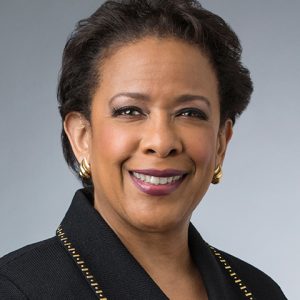
Loretta Lynch(Chair)
Former U.S. Attorney General

Sarah Stitt(senior adviser)
First Lady, Oklahoma
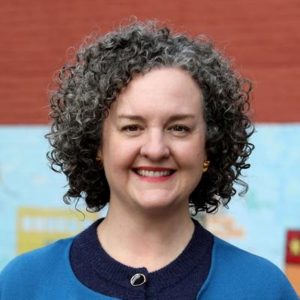
Courtney Bryan
Chief Executive Officer, Center for Justice Innovation
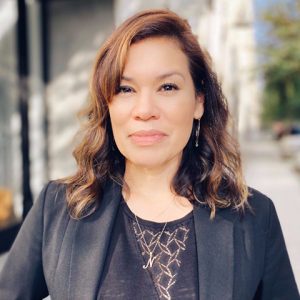
Norma Cumpian
Chief of Staff, Anti-Recidivism Coalition
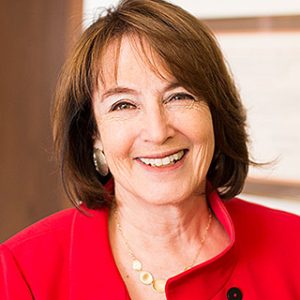
Nancy Gertner
Retired Judge, U.S. District Court for the District of Massachusetts; Senior Lecturer, Harvard Law School

Ed Gonzalez
Sheriff, Harris County, Texas

Leticia Longoria-Navarro
Executive Director, The Pathfinder Network
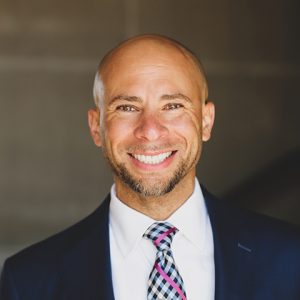
Chris Mathias
State Representative, Idaho
Anne Precythe
Owner, Precythe Sturm Advisory Group, LLC; Former Director, Missouri Department of Corrections
Emily Salisbury
Associate Professor of Social Work; Director, Utah Criminal Justice Center, University of Utah
Topeka K. Sam
Founder, The Ladies of Hope Ministries
Brenda V. Smith
Professor, American University Washington College of Law; Director, Project on Addressing Prison Rape

Jillian Snider
Resident Senior Fellow, R Street Institute; Retired NYPD Officer

Carolyn Sufrin
Associate Professor, Johns Hopkins School of Medicine, Department of Gyn/Ob; Founder and Director, Advocacy and Research on Reproductive Wellness of Incarcerated People

Tori Verber Salazar
Founder and CEO, Law Offices of Tori Verber Salazar; Former District Attorney, San Joaquin County
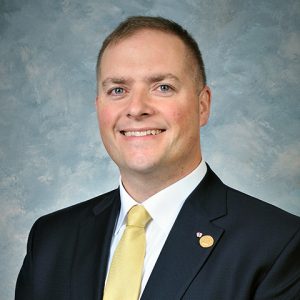
Whitney Westerfield
Director of Legal and Government Affairs, LifeSkills; Former State Senator, Kentucky

Pamela Winn
President and CEO, RestoreHER US.America

Stephanie Akhter
Director, Women's Justice Commission

Alyssa Benedict
Executive Director, CORE Associates, and Co-Founder, The Women's Justice Institute

Deanne Benos
Co-Founder and Director, The Women’s Justice Institute
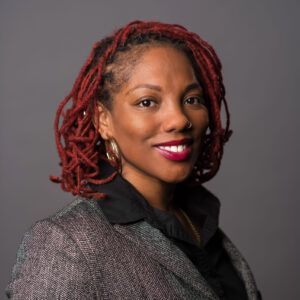
Janaé Bonsu-Love
Director of Research, Building Movement Project

Marium Durrani
Chief of Staff, Civil Rights Corps
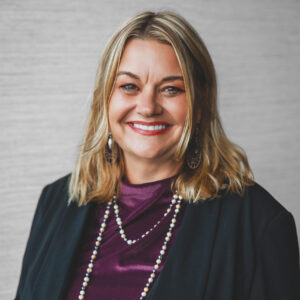
Erica King
Senior Manager, Center for Effective Public Policy National Resource Center on Justice-Involved Women

Anadora (Andie) Moss
Founder and CEO, The Moss Group