

Perspectives on DOJ Violent Crime Reduction Roadmap
After the DOJ released its Violent Crime Reduction Roadmap, Violent Crime Working Group members shared their perspectives on their experience and the importance of the Ten Essential Actions.
Homicide, Other Violent Crimes Decline in U.S. Cities but Remain Above Pre-Pandemic Levels
New CCJ Analysis of 2023 Crime Trends Also Documents a Continuing Spike in Motor Vehicle Theft, With Offenses More Than Doubling in Seven Cities
Homicides Continued to Increase in Major U.S. Cities in 2021, but at Slower Pace
New CCJ Analysis Shows Rise in Other Violent Crimes While Drug Violations and Most Property Offenses Fall Again
Event Recording: Ten Essential Actions Cities Can Take to Reduce Violence Now
Watch six members of the Violent Crime Working Group discuss their final report “Saving Lives: Ten Essential Actions Cities Can Take to Reduce Violence Now”
Saving Lives: Ten Essential Actions Cities Can Take to Reduce Violence Now
Amid a rise in homicide, diverse CCJ panel urges leaders to reject “us vs. them” politics and collaborate on ten essential steps to reduce violence now.
Violent Crime Working Group Releases Action Plan for Cities
Amid a rise in homicide, diverse CCJ panel urges leaders to reject “us vs. them” politics and collaborate on ten essential steps to reduce violence now.
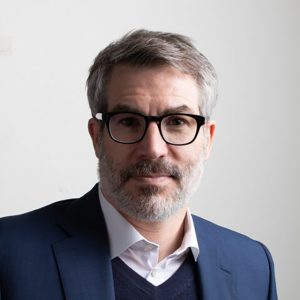
Thomas Abt (chair)
Senior Fellow, Council on Criminal Justice
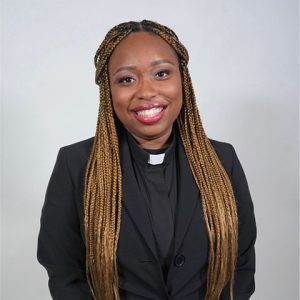
Ciera Bates-Chamberlain
Executive Director, Live Free Illinois
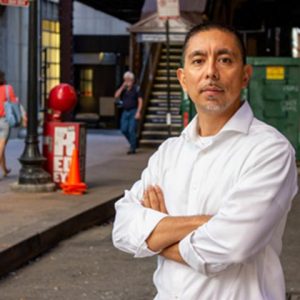
Eduardo Bocanegra
Executive Director, Live Free Illinois
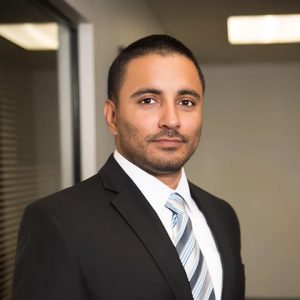
Paul Carrillo
Director, Community Violence Initiative, Giffords Law Center
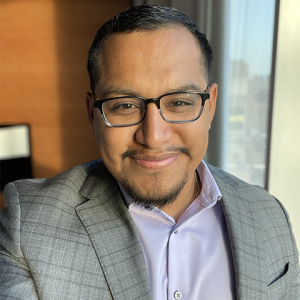
Hernán Carvente-Martinez
Founder and CEO, Healing Ninjas, Inc.
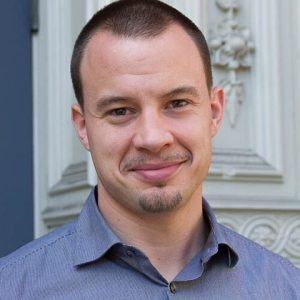
Vaughn Crandall
Co-Director, California Partnership for Safe Communities
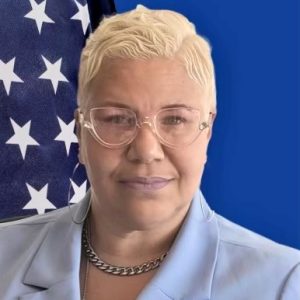
Linda Harllee Harper
Director, Gun Violence Prevention, Washington, D.C.
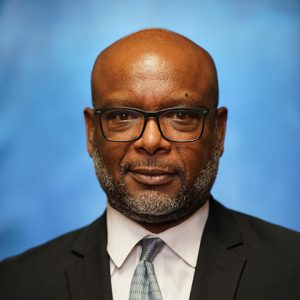
Daniel Isom
Director of Public Safety, City of St. Louis
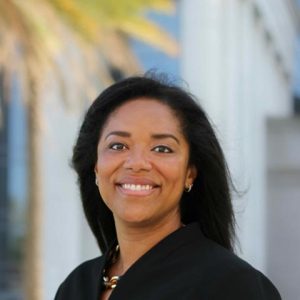
London Kite
Judge, Florida 4th Circuit Court
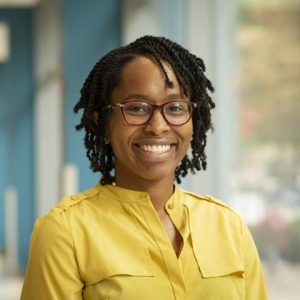
Ajima Olaghere
Assistant Professor, Criminal Justice, Temple University
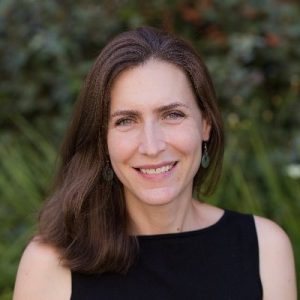
Emily Owens
Professor, Dept. of Criminology, Law, and Society University of California-Irvine
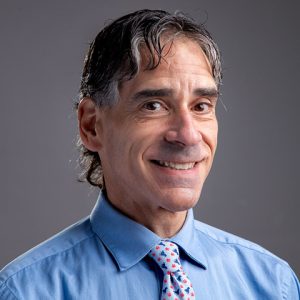
Alexis Piquero
Chair, Dept. of Sociology, University of Miami
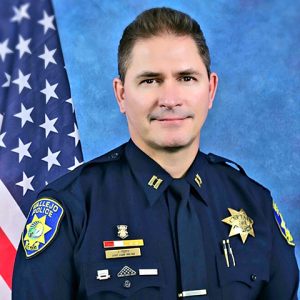
Jason Potts
Captain, Vallejo Police Department
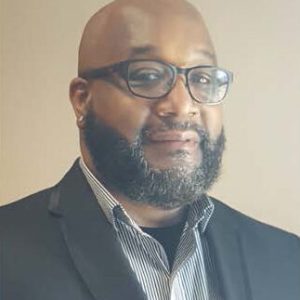
Chico Tillmon
Senior Research Fellow, University of Chicago Crime and Education Labs
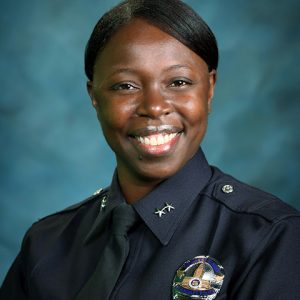
Emada Tingirides
Deputy Chief, Los Angeles Police Department
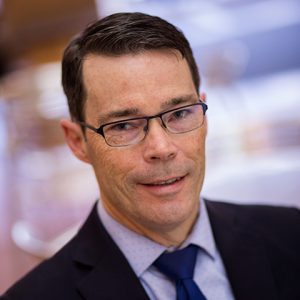
Daniel Webster
Bloomberg Professor of American Health, Johns Hopkins Bloomberg School of Public Health