
Robinson served as a member of the Council’s Task Force on Long Sentences.
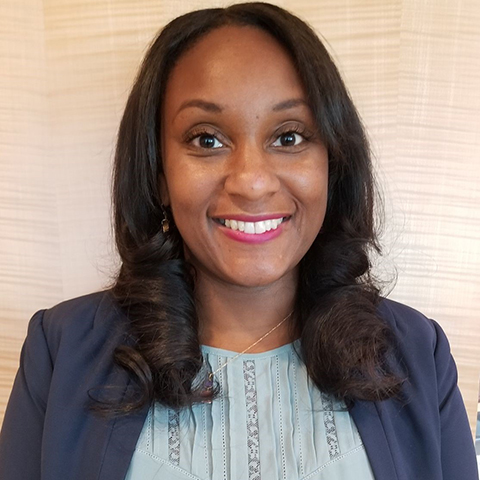
Chiquisha “Keisha” Robinson serves as deputy chief of the Community Defender Division at the Public Defender Service for the District of Columbia, where she leads attorneys and multidisciplinary teams serving thousands of system-impacted people and families. An inspirational, mission-driven leader with over two decades of experience advancing justice, opportunity, health, and well-being, Robinson works at the intersection of public interest law, policy, education, and community impact.
A seasoned litigator turned strategist, she unites diverse partners around bold, transformative solutions with a commitment to public service, health equity, and system-level change. Recognized for her ability to galvanize and lead with vision, Robinson has spearheaded initiatives that expand access, improve outcomes, and create pathways for people to live lives of dignity, purpose, and well-being.
She authored the award-winning 900-page DC Reentry Navigator, developed with over 100 community partners and leaders and distributed in every federal prison and in communities throughout D.C. The Navigator includes a comprehensive healthcare chapter that translates coverage and care into actionable steps, exemplifying her ability to turn complexity into usable tools that improve access to health, care, and opportunity.
A Harvard Law School Wasserstein Public Interest Fellow and one of Boston College Law School’s Law for the Greater Good honorees, Robinson is nationally recognized for mentorship, leadership, and systems change. She is the co-founder of four social-impact organizations and serves on multiple local and national boards advancing equity and justice.
Across every role, Robinson is committed to fostering systemic change, building community trust, and reimagining systems that prioritize human dignity, fairness, health, well-being, and access to care.